
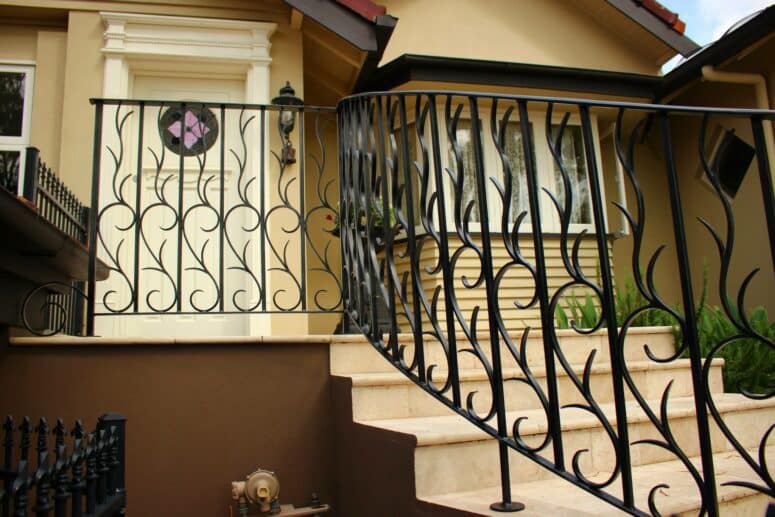
Wrought iron has the capacity to infuse extraordinary texture and detail into metal fences, gates, balustrades and furniture. From intricately carved flourishes and decorative emblems to stylish custom designs, each piece brings exceptional character and value to residential and commercial properties. Wrought iron has a core strength and classic appeal that’s been decorating interiors and exteriors for centuries, yet even the most durable material can show signs of wear over time.
Exposure to the elements, minor scratches, and years of use or neglect can lead to faded finishes or weakened joints. Wrought iron restoration helps preserve this character and ensures pieces maintain their appeal for generations. In this guide, we’ll cover how to restore wrought iron, including step-by-step methods for doors, windows, and railings, along with tips for ongoing care and when to call in the experts at Prestige Wrought Iron.
Why Wrought Iron is Worth Restoring
Unlike less expensive materials, wrought iron is designed to last. Its resilience has led to some pieces surviving for centuries, while many designs endure decades of use. A popular material for family heirlooms and statement features in heritage homes, our own custom wrought iron designs combine the elegance of this ancient metal with the durability of rust-proof coating for long-lasting protection. Many people become very attached to the look, so restoring wrought iron instead of replacing it offers several benefits:
- Longevity: Australia is tough on architectural materials and wrought iron can’t escape the intense UV, humidity and general wear and tear. Tailored maintenance will give your wrought iron fence, balustrades, and gates a greater chance of lasting for generations.
- Value: Beautifully restored wrought iron will enhance your home’s street appeal and add significant value.
- Sustainability: Choosing restoration over replacement helps reduce waste and preserves the iron’s distinctive craftsmanship in homes, businesses and public buildings.
- Beauty: Few materials match wrought iron’s ornate designs and striking style, so restoring a unique piece is worth the investment.
Common Issues with Wrought Iron
If you’ve moved into a home with existing wrought iron security grilles, doors or other elements that are starting to show signs of wear, we’ve outlined how to identify common problems when wrought iron fence restoration might be needed:
- Rust: Small chips in the paint or scratches in protective coatings can permit moisture to contact the metal, which can lead to corrosion. Knowing how to restore rusted wrought iron helps prevent further damage while extending longevity.
- Peeling paint or faded finishes: Over a significant amount of time, sunlight and general weather can dull or flake the paint, leaving exposed patches.
- Structural wear: Hinges, joints, or welds may loosen, especially in large gates or fences.
- Decorative damage: Intricate scrolls and patterns can bend, crack or break off completely if not properly maintained.
Step-by-Step: How to Restore Rusted Wrought Iron
Prestige Wrought Iron products come with protective coatings, but if you’re wondering how to restore rusted wrought iron in your home, you’ll need the right steps, tools, and plenty of patience.
1. Inspect the Piece
Begin by carefully checking your wrought iron fence, furniture, gates, or railings. Look for rust spots, cracks, loose fittings, or areas where the finish has worn away. This inspection helps you decide whether you can handle the project yourself or need professional wrought iron restoration from the experts at Prestige Wrought Iron.
2. Clean Thoroughly
Remove dirt, dust, and grime using a mild liquid soap, water water and a soft cloth. Avoid harsh detergents containing bleach, which can damage the finish. Ensure the piece is fully dry to prevent rust from oxidising the metal. For outdoor wrought iron furniture or fences, cleaning at least twice a year helps prevent further wear and rust.
3. Remove Rust
When restoring rusted wrought iron, use medium-grit sandpaper to carefully loosen any rust. Then take a wire brush, or steel wool, and use gentle motions until you reveal the clean metal underneath. Rust-dissolving solutions can help with stubborn corrosion, but be mindful of the harsh chemicals. To prevent rust forming in the future, make sure you thoroughly wipe and dry the metal surface.
4. Repair and Reinforce
If you notice any structural issues, which include decent-sized cracks, bent sections, and weakened joints, the fittings may need welding or tightening by an expert. While minor fixes can be carried out at home, larger structural work is best handled by professionals who are skilled in restoring wrought iron railings and other architectural features.
5. Apply Protective Coatings
Once the surface is smooth and clean, apply a rust-inhibiting primer followed by a direct-to-metal (DTM) paint or powder coating. These coatings are formulated for wrought iron to protect against weather damage.
- Furniture: A fresh coat of paint or protective finish prevents rust and refreshes the look. Optional: apply auto wax for extra shine and protection.
- Fences and Gates: Powder coating is a stylish finish that delivers increased durability for areas with heavy exposure.
- Doors and Railings: Choose a paint finish that includes rust inhibitors for longer-lasting protection.
DIY vs Professional Wrought Iron Restoration
Our team of award-winning craftspeople combine traditional blacksmithing skills with modern protective finishes to restore the iron’s strength and visual appeal. From ornate fences to imposing entrance gates, no project is too complicated for the Presige Wrought Iron team. If you’re restoring wrought iron railings, intricate balustrades or window grilles, our services will help preserve the design while improving functionality.
DIY restoration
If you’re keen to give it a go, DIY may be suitable for small projects, such as a garden chair with light rust or a fence panel needing a new coat of paint. Nowhere near as complex as the restoration of wrought iron gates, for minor projects, you can often sand, clean, and repaint these items yourself to extend their life.
Professional Restoration
Expert help is the better choice for large wrought iron gates or fences with structural damage, decorative or intricate pieces requiring delicate work, and heritage or architectural wrought iron features where high-quality craftsmanship is important.
Tips to Prevent Future Damage
Whether you’re restoring older pieces or you’ve just purchased one of our stunning custom designs, maintaining your wrought iron is easy with these helpful tips:
- Clean and dry at least twice a year to inspect for damage and apply protective finishes like wax or coatings.
- If you notice chips or scratches, touch them up immediately to prevent rust from forming on the unprotected metal.
- Avoid harsh chemicals that strip protective finishes.
- For gates and fences, oil hinges regularly to prevent wear.
Restore the Timeless Beauty of Wrought Iron
Prestige Wrought Iron has been producing exceptional pieces for homeowners, businesses, and government projects across Queensland for more than 30 years. Wrought iron’s beauty comes from its strength and the precise balance of carbon that makes it malleable yet durable — a skill mastered by trained artisans over years. It’s this rare expertise that allows our Brisbane specialists to design and restore wrought iron gates, fences, balustrades, and security entranceways built to last for generations.
Contact us today for a free consultation and see how our craftsmen can restore your wrought iron to its former glory with our professional wrought iron restoration.